Transactional Writing Skills
IN THIS LESSON
A strong conclusion helps you leave a lasting impression on the reader. Your final paragraph should sum up your main message clearly and powerfully. Don’t just repeat what you’ve already said or bring in new points. Instead, focus on reinforcing your key idea in a memorable way.
English Language Essentials
Planning is key. Before you write, think about how you want your reader to feel at the end. Choose a tone that matches your topic—serious, hopeful, urgent, reflective. Then decide how to end your piece.

Plan Your Conclusion
Create a vivid image: Help the reader imagine a scene that connects emotionally. E.g. The office lights go off one by one, and still, no one speaks up about the unfair treatment.
Give a warning: Show what might happen if the issue isn’t taken seriously. E.g. If we don’t invest in renewable energy now, we could face permanent blackouts within a decade.
Offer a hopeful ending: Show what’s possible if your suggestions are followed. E.g. We can still build a future where clean air is the norm, not the exception.
Ask a thought-provoking question: Make the reader reflect. E.g. If not us, then who? If not now, then when?
Refer back to the introduction: Create a satisfying full-circle effect. E.g. That same neglected park I once walked through is now a lively community space. Change is possible.
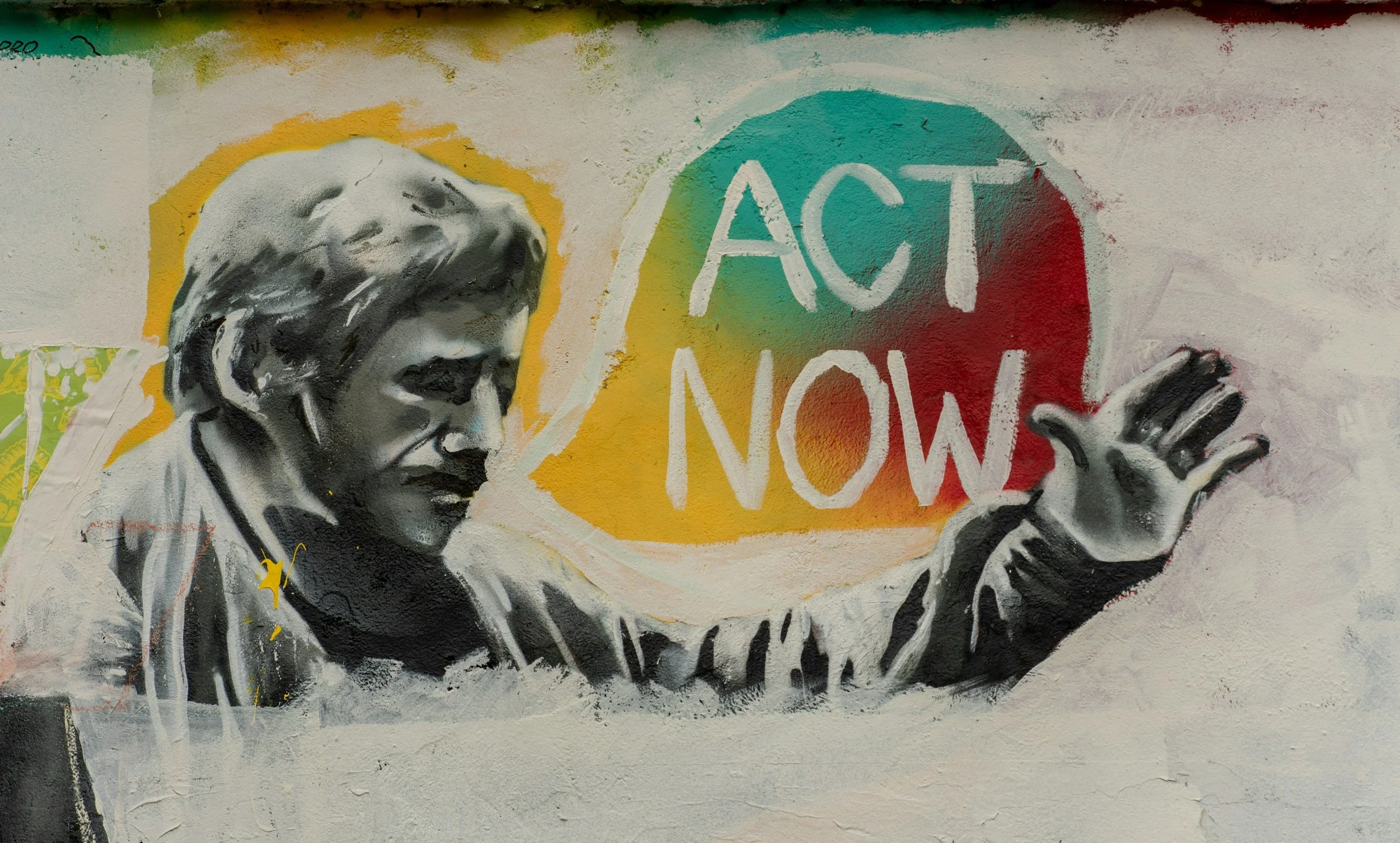
Call the reader to action: Tell them what they can or should do. E.g. Don’t scroll past this issue. Get involved today—your voice matters.

Further Details
Conclusions are your final word. They don't just wrap things up—they help your ideas stay with the reader. Using emotional language, a strong image, or a direct appeal can help strengthen your message.
Avoid:
Repeating everything you've said.
Adding brand new arguments or facts.
Ending too suddenly or vaguely.
Do:
Use one or more of the suggested methods above.
Make your tone match the rest of your writing.
Think about how your reader might feel at the end.

English Language Activity
Match each conclusion with its technique. Write the correct letter next to the number.
Techniques:
A. Vivid image
B. Warning
C. Hopeful ending
D. Question
E. Reference to introduction
F. Call to action
Conclusions:
A woman sits on the bus, face blank, exhausted from another 14-hour shift. Is this the future of our workforce?
Let’s be the ones who made the change, not the ones who looked away.
Remember that quiet park from the start? Now it's echoing with laughter again.
Support local food banks today. No one should face hunger alone.
If we keep ignoring mental health services, lives will continue to be lost.
The cracked windows, the silence, the fading smell of home—this is what abandonment looks like.

Bonus Activity
Try writing your own conclusion for this prompt:
"Write a letter to your local council arguing for more green spaces in your area."
Choose one of the following types of ending and write 2–3 sentences:
Vivid image
Warning
Hopeful ending
Question
Reference to introduction
Call to action
Knowledge Check/Review
Name two things you should not do in a conclusion.
What is the purpose of a call to action?
Give an example of a thought-provoking question to end a piece about climate change.
True or False?: A conclusion can include brand new arguments.
What is one benefit of linking back to your introduction?
Activity Answers
D – Question
C – Hopeful ending
E – Reference to introduction
F – Call to action
B – Warning
A – Vivid image
Knowledge Check/Review Answers
Repeat everything already said; Add new arguments
To tell the reader what action they should take
What kind of world are we leaving for the next generation?
False
It helps make the writing feel complete and satisfying