Oxford Revise English Language AQA GCSE (supplement)

Reading & Writing
Narrative Structure in Fiction and Non-Fiction
Please note, to make the most of this resource you will need to use it alongside your GCSE English Language revision guides, or in conjunction with a qualified teacher or GCSE English tutor. Online english tutors will find this resource works well in conjunction with a meeting platform with integrated whiteboard.
Openings
Match these examples to the different ways that a story can begin:
In the middle of the action
Describing a scene or setting
Introducing a character
It was a beautiful day on the coast; the air was fresh and the sun brightened her mood.
It was a hot, busy day in London; not a good time to be stuck between stations on the London Underground – he was definitely going to be late.
Jackson looked around his office at the stacks of papers and dusty piles of rubbish.
Inciting Incident
Sometimes a problem or event (an incident) gets the story going.
Make your own story starters by filling in the gaps:
Just as I was about to ___, a sudden ___ changed everything.
The story really began when a mysterious ___ appeared in the middle of ___.
Everything was normal until my best friend decided to ___.
I knew trouble had started the moment the ___ started ___.
Our calm morning was ruined when a gigantic ___ crashed into ___.
Endings
Match these ending types to the example:
Resolution
Cliffhanger
Circular narrative (return to beginning)
Example A
As the sun rose, Maya finally fixed the broken radio and heard her family’s voices calling her home. She smiled, knowing everything was going to be alright.
Example B
The creature’s shadow loomed closer. I gripped the torch tightly, took one shaky step back… and then the door behind me clicked shut.
Example C
I opened my eyes to the sound of the same dripping tap that had woken me the day it all began. Somehow, after everything, I was right back where I started.
Answers:
Resolution → Example A
Cliffhanger → Example B
Circular narrative → Example C
Shifts in Focus
The focus of the narrative can shift from:
One character to another
One location to another
From description and action to dialogue or thoughts
Zoom in or out of a setting or character focus
Example A –
Sam trudged up the hill, determined to reach the old tower. At the same moment, Mia waited at the bottom, wondering why he’d left without her.
Example B –
The harbour buzzed with life as boats returned for the evening. Miles away, in the quiet village, not a single light flickered in the windows.
Example C –
Dust drifted through the abandoned hallway as footsteps echoed sharply. “Is anyone there?” I whispered, my voice shaking.
Example D –
The city spread out below like a maze of glowing lines. High on the rooftop, a single girl knelt beside a loose brick, her fingers trembling as she prised it open.
Answers:
One character to another → Example A
One location to another → Example B
Description/action → dialogue/thoughts → Example C
Zoom in/out → Example D
Sequencing
Define and give examples:
Chronological
Flashback
Foreshadowing
She swung the axe until the tree was felled.
The crash rippled through the forest.
(A chronological sequence of events)
Gazing at the river, all at once she was a child again, with her brother playing near the water - much too near the edge.
(Flashback)
If he had known then what he knew later, he might have paid more attention.
(Foreshadowing)
Tension and Suspense
Tension and suspense builds anticipation and uncertainty for the reader. Choose the best words below to build suspense, then answer the questions.
The museum was dark, and every step Alex ___ (echoed/stumbled/moved) ___ (loudly/softly/quickly) across the marble floors. He ___ (paused/ran/hid) ___ (nervously/carefully/hesitantly), listening. Shadows ___ (shifted/flickered/disappeared) ___ (suddenly/slowly/quietly) along the ancient exhibits, and a faint ___ (clink/smash/creak) ___ (softly/loudly/suddenly) made his heart race.
Discussion Prompts
Which words/verbs make this paragraph feel suspenseful?
How do the adverbs add to the tension?
What might happen next in the museum?
Climax
The peak event in the story. Sometimes a crisis comes before the climax.
Complete this short story (by filling in the gaps) and answer the questions:
Alex reached the main exhibit. The alarms ___ (blared/whispered/silenced) ___ (loudly/softly/abruptly), and the guard ___ (rushed/stumbled/watched) ___ (frantically/calmly/nervously) toward him. Heart pounding, Alex ___ (grabbed/jumped/ran) ___ (bravely/quickly/carefully) for the priceless artifact and ___ (sprinted/stumbled/crawled) ___ (quickly/slowly/quietly) toward the exit.
Which part of the story shows the crisis?
Which part is the climax?
How do the verbs and adverbs make the climax feel more tense?

Narrative Effects
In this extract identify and explain the following features:
Summary sentences
Setting description
Zooming in
Hints about characters
Focus shift (what type, i.e., ____ → ____)
Focus shift (what type, i.e., ____ → ____)
Focus shift (what type, i.e., ____ → ____)
Extract 1: Transmission by Hari Kunzru
This extract is from a novel and is about a man trying to make a success in his career as a computer programmer.
Around him, Connaught Place seethed with life. Office workers, foreign backpackers, messengers, and lunching ladies all elbowed past the beggars, dodging traffic and running in and out of Palika Bazaar like contestants in a game. For a moment, Arjun Mehta, consumed by hesitation, was the only stationary figure in the crowd.
He was visible from a distance, a skinny flagpole of a boy, hunching himself up to lose a few conspicuous inches before making his entrance. The face fluttering on top wore an expression of mild confusion, partly obscured by metal-framed glasses whose lenses were blurred with fingerprints. Attempting to assert its authority over his top lip was a downy moustache.
As he fiddled with his collar, it twitched nervously, a small mammal startled in a clearing. Finally, feeling himself as small as he would ever get, he clutched his folder of diplomas to his chest, stated his business to the chowkidar (watchman), and was waved up the steps into the air-conditioned cool of the office lobby.
Extract 2
In this extract identify and explain the following features:
(There may be multiple examples of some features)
Opening
Tension and suspense
Foreshadowing
Focus shift (what type, i.e., ____ → ____)
Extract 2: The Waste Land by Alan Paton
In this short story, a man gets off a bus at night with his week's wages.
The moment that the bus moved on, he knew he was in danger, for by the lights of it he saw the figures of the young men waiting under the tree. That was the thing feared by all, to be waited for by young men. It was a thing he had talked about; now he was to see it for himself.
It was too late to run after the bus; it went down the dark street like an island of safety in a sea of perils. Though he had known of his danger only for a second, his mouth was already dry, his heart was pounding in his breast, something within him was crying out in protest against the coming event.
He is chased through a dark wasteland. He knocks one man down with his stick. Then he turned and began to run again, but ran first into the side of an old lorry, which sent him reeling. He lay there for a moment expecting the blow that would end him, but even then his wits came back to him, and he turned over twice and was under the lorry.
His very entrails seemed to be coming into his mouth, and his lips could taste sweat and blood. His heart was like a wild thing in his breast, and seemed to lift his whole body each time that it beat. He tried to calm it down, thinking it might be heard, and tried to control the noise of his gasping breath, but he could not do either of these things.
Then suddenly, against the dark sky, he saw two of the young men.

Writing About Narrative Structure
Writing about Structure
In this sample response to extract 1 look for:
How the extract is introduced (what is included)
How sentence topics follow each other
Explanations for effects (e.g., zoom)
Comments on the interplay between characters and setting
Technical terms
Links between wording and narrative structure
Sample Answer:
This extract from Transmission by Hari Kunzru introduces Arjun Mehta, a young man trying to succeed as a computer programmer, and sets the scene in the busy Connaught Place. The bustling crowd—office workers, tourists, messengers, and lunching ladies—rushes past beggars, dodges traffic, and moves in and out of Palika Bazaar like players in a fast-paced game. In contrast, Arjun stands still, hesitant, and immediately appears out of place.
The narrative then zooms in on him: a skinny, awkward figure, hunched slightly as if trying to make himself smaller, with an anxious expression partly hidden behind smudged glasses and a downy moustache. His nervous fidgeting, described like a startled small mammal, highlights his discomfort. The extract builds suspense and curiosity as Arjun finally gathers his courage, presents his credentials to the watchman, and is allowed into the cool, air-conditioned office lobby—signalling the start of the next stage in his story.
Writing about Openings
In this sample response to extract 2 look for:
How the opening is explained
Evidence for comments on position, time and foreshadowing
Explanation of increasing tension and suspense
Explanation of foreshadowing
Sample Answer:
This extract immediately captures the reader’s attention by thrusting them into the action. The story begins with a man getting off a bus at night, carrying his week’s wages, only to see menacing young men waiting under a tree. By positioning the reader alongside the main character, Paton creates a sense of shared experience—seeing the threat at the same time as the protagonist encourages empathy and heightens tension.
Foreshadowing is used effectively: the line “now he was to see it for himself” signals that the story will focus on whether he survives the encounter. The imagery of the bus lights disappearing into the darkness reinforces his isolation and vulnerability, making the reader feel the character’s fear.
Paton intensifies suspense through physical reactions—his dry mouth, pounding heart, and the “protest against the coming event” all underline the immediacy of danger. The chase through the dark wasteland, collisions with obstacles, and the visceral descriptions of pain and exertion make the scene vivid and terrifying. The structural choice of presenting events from the character’s perspective creates an intense, immersive experience, leaving readers anxious about his fate as he confronts the threatening figures.
Writing about a Narrative Climax
In this continued (from above) sample response to extract 2 look for:
Structural development/progress
Opinions about details
How the climax is identified
Well-chosen evidence
How structure contributes to the climax
Sample Response:
The passage builds to a terrifying climax as the man hides under the lorry. Paton focuses closely on the physical sensations of his fear—his stomach feels like it is turning inside out, he tastes his own sweat and blood, and his heart pounds violently. By zooming in on the body, the author makes the fear feel immediate and believable.
Tension is at its highest when the man cannot calm his heart or control his breathing, worried that his pursuers will hear him. The suspense reaches its peak the moment he sees “two of the young men.” The single-sentence paragraph emphasises just how critical and dangerous this moment is, underlining the intensity of the crisis.
How to Use Narrative Structure in Your Own Writing
Using narrative structure requires planning your writing, from start to finish, and the main points in between.
Word Bank (jumble):
interested, tension, start, shifts, end, develop, view
Story Planning Gap-Fill
How will I ___ my story? (In mid-flow, with dialogue, or a question?)
How will the story ___? Plan conflict and resolution in stages, starting a new paragraph for each stage.
Which point of ___ will I use? (First, second, or third person)
How will I show ___ in time or focus? (Flashbacks, foreshadowing)
How will I create ___ or conflict? (Arguments, dramatic action, or suspense)
How will I reveal information gradually to keep the reader ___?
How will I ___ the story? (Cliffhanger, resolution, or another dramatic finish)
Description Planning Gap-Fill
Word Bank:
guide, organise, start, end, details, setting
How will I ___ my description? (Grab the reader’s attention with a surprising statement or dramatic moment)
What are the key ___ I want to highlight? (Important points or features to focus on)
How will I ___ the description? (Focus on a detail, then zoom out; start a new paragraph for each section)
How will I show different aspects of ___? (Shifts in place or time)
How will I ___ the reader across paragraphs? (Topic sentences, discourse markers)
How will I ___ the description satisfyingly?
Story Planning Answers
How will I start my story? (In mid-flow, with dialogue, or a question?)
How will the story develop? Plan conflict and resolution in stages, starting a new paragraph for each stage.
Which point of view will I use? (First, second, or third person)
How will I show shifts in time or focus? (Flashbacks, foreshadowing)
How will I create tension or conflict? (Arguments, dramatic action, or suspense)
How will I reveal information gradually to keep the reader interested?
How will I end the story? (Cliffhanger, resolution, or another dramatic finish)
Description Planning Answers
How will I start my description? (Grab the reader’s attention with a surprising statement or dramatic moment)
What are the key details I want to highlight? (Important points or features to focus on)
How will I organise the description? (Focus on a detail, then zoom out; start a new paragraph for each section)
How will I show different aspects of setting? (Shifts in place or time)
How will I guide the reader across paragraphs? (Topic sentences, discourse markers)
How will I end the description satisfyingly?
Review
Give definitions/examples for these key terms?
Chronological
Cliffhanger
Climax
Crisis
Discourse markers
Flashback
Focus
Foreshadowing
Inciting
Incident
Opening
Suspense
Tension
Time Frame
Narrative Structure Questions
What is narrative structure?
Is narrative structure only used in fiction?
What does ‘focus’ mean in a story?
How can a writer show a change of focus?
What is foreshadowing and why is it used?
What is a circular narrative?
How can a writer create tension and suspense?
What is the term for the most exciting moment in a story?
What does starting a story in media res mean?
What is a flashback and why might it be used?
Answers
Narrative structure is how a writer arranges and presents events in a story to the reader.
No. Narrative structure can be found in both fiction and non-fiction writing.
Focus is what the writer chooses to emphasise at a particular moment—such as a character, an event, or a setting.A new paragraph or connecting words (discourse markers) can signal a shift in focus.
Foreshadowing gives hints about events that will happen later. It keeps readers engaged by building anticipation.A circular narrative is a story that ends in the same place or situation as it began.
By keeping information hidden or giving small clues, writers can make readers eager to find out what happens next.
The climax—the point of greatest tension or drama.
Beginning in the middle of the action, with earlier events revealed later.
A flashback is when the story moves back in time to explain a character’s actions or how a situation developed.
Questions on Previous Topics
Questions
What is a clause?
What is a statement?
Answers
A clause is a sentence or part of a sentence that contains a subject (like a noun, noun phrase, or pronoun) and a verb.
A statement is a sentence that expresses a fact. For example: “Birds have wings.”
Reading Task
GCSE English Language Reading Task: Quick Structural Analysis
Instructions:
Choose any short narrative text (fiction or non-fiction). Use the points below to analyse the writer's use and effect of narrative structure.-----Task: Structural Analysis
Opening: How does the text begin (e.g., in the middle of the action, setting, or character introduction)? What is the immediate effect on the reader?
Sequencing: Does the writer use chronological order, a flashback, or foreshadowing? Give one example and explain its purpose.
Tension & Climax: Identify the moment of climax or highest tension. How does the writer build suspense toward this point (e.g., hiding information, physical reactions)?
Focus Shift: Where does the narrative focus shift (e.g., character to character, location to location, action to thought)? What does this shift help the reader understand?
Ending: What type of ending is it (resolution, cliffhanger, or circular narrative)? Is it effective, and why?
Remember to use technical terms and support your points with short quotations.
Writing Task
GCSE English Language Writing Task: Narrative Structure Planning
Instructions:
You are going to write a short piece of narrative or descriptive writing. Use the planning points below to structure and develop your work, ensuring you consciously apply the techniques you have learned.
Writing Ideas
Choose one of these starting points or use your own idea:
A race against time: A character trying to reach a destination before it's too late (e.g., a departing train, a closing gate, the rising sun).
The secret object: A character discovering a strange or important item (e.g., a hidden box, an old photograph, a glowing stone) and the choice they make next.
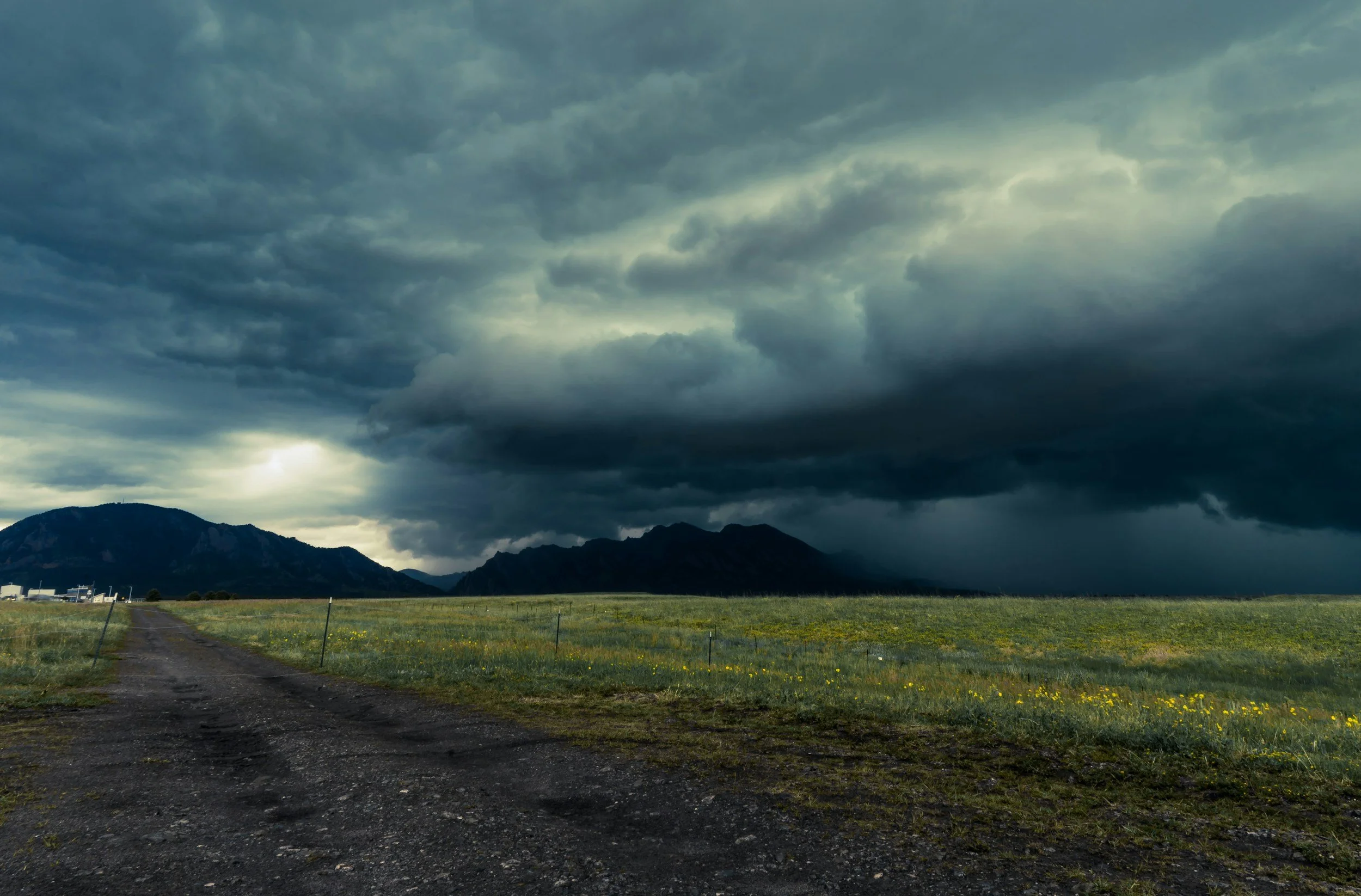
A moment of extreme weather: A dramatic description of a character caught in a severe storm, intense heat, or thick fog.
The unexpected encounter: A character meeting someone they haven't seen in years, or someone they were actively trying to avoid.
The abandoned place: A description of an old house, a derelict fairground, or an empty school at night.
Task: Planning Your Writing
Use these five key structural choices to plan your narrative or descriptive piece:
Start: How will you start your piece? Will you begin with a dramatic moment (in media res), a detailed description of the setting, or by introducing a key character?
Tension: Where will you create tension or conflict? Plan the main problem and how you will build suspense toward the most exciting part (climax).
Focus: Where will you use a focus shift? Plan one moment to shift the focus (e.g., from a broad scene to a small detail, or from action to a character's thoughts) to give the reader more insight.
Sequencing: Will you use a straight chronological order, or will you use foreshadowing (hints of what's to come) or a flashback to reveal important information?
End: How will you end your story or description? Will you choose a final resolution, a dramatic cliffhanger, or bring the narrative back to where it began (circular narrative)?
Remember to use paragraphs to show clear stages of development in your writing.