Introduction & Word Classes

Using language to write jokes
Puns Based On Homophones
What Is a Pun?
A pun is a joke that plays with the different meanings of a word or with two words that sound the same. Puns are often based on homophones.
What Are Homophones?
Homophones are words that:
Sound the same,
Have different meanings, and
Often have different spellings.
Example:
sea (large body of water)
see (to look at something)
Examples of Homophone-Based Puns
“Time flies like an arrow. Fruit flies like a banana.”
flies (verb: moves quickly)
flies (noun: insects)
“I used to be a baker, but I couldn’t make enough dough.”
dough (bread mixture)
dough (money)
“I wanted to be a barber, but I just couldn’t cut it.”
cut it (succeed / literally cutting hair)
“The math teacher was great at geometry — he always had the right angles.”
angles (geometry / perspectives)

Activity 1: Homophone Pun Challenge
Part 1 – Match the Homophones
Match the homophones that could create a pun.
A. sun
B. pair
C. knight
D. flower
E. see
F. write
G. paws
flour
sea
Son
pear
night
right
pause
Part 2 – Complete the Pun
Fill in the missing homophone to complete each joke.
“The maths book was sad because it had too many ______.”
(problems — difficulties / maths exercises)“The golfer brought two pairs of trousers in case he got a ______.”
(hole in one — literal hole in trousers / golf score)“I’m reading a book on anti-gravity. It’s impossible to ______.”
(put down — literally / stop reading)“Did you hear about the guy whose whole left side was cut off? He’s all ______ now.”
(right — correct / opposite of left)
Part 3 – Create Your Own Pun
Choose one pair of homophones below and write a one-sentence pun using both meanings:
right / write
wait / weight
brake / break
won / one
meat / meet
sea / see
sun / son
Example response:
“With all this homework, I can’t wait to lose some weight from carrying my books.”
Activity 2: Explain Puns
Analyse the effect of the pun in a sentence.
Task: Write two or three sentences explaining how the pun works and the effect it has on the person who reads or hears it.
For example:
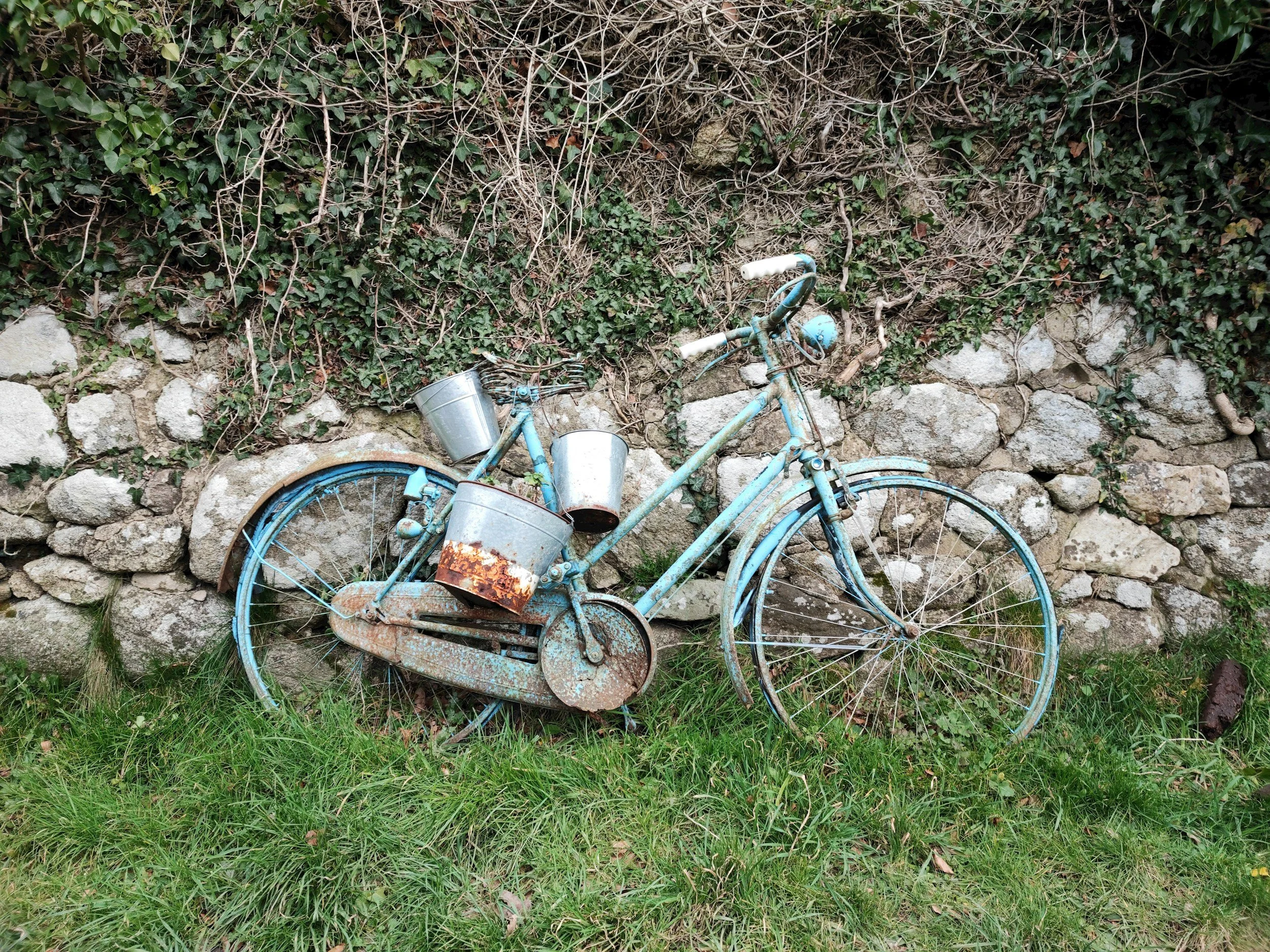
“A bicycle can’t stand on its own because it’s two-tired.”
Think about:
What homophones are being used?
How does the pun create humour?
Why might a writer use wordplay in advertising, speeches, or creative writing? (Think about the tone, e.g., casual, informal)

Activity 3: Other Puns
Do you know any other puns? If you don’t know any you could look for some more in the iNews article about puns.
What are your two favourite pun jokes? Write them out.
Answers:
Part 1 - answers: A-3, B-4, C-5, D-1, E-2, F-6, G-7
Part 2 sample answer:
Sentence: “A bicycle can’t stand on its own because it’s two-tired.”
Sample Answer:
The pun uses the homophones two and too in the phrase two-tired/too tired. The word tired can mean both “having tires” (parts of a bike) and “feeling exhausted.” This creates humour because it makes the reader picture a bicycle being physically exhausted like a person, which is a silly and unexpected idea. Writers often use wordplay like this to make their writing more entertaining or memorable. In this case, the pun gives the sentence a casual and playful tone, making it feel light-hearted and funny.