Oxford Revise English Language AQA GCSE (supplement)

Attitudes & Perspectives in Reading & Writing
Complete this gap fill for an overview of this topic:
Word bank: how, view, opinions, what, thoughts, tone, feelings, figurative/sensory, structure.
Perspective is the writer’s ________ on a topic. It includes the writer’s attitude, ________, ________ and _________.
Perspective is conveyed by _____ the writers says and ____ they say it.
It can be revealed through voice, ______, register, ________/________ language and ______.
Answers below.
Tone
Think of examples of these types of tone, or when you might use them?
Tone
Thoughtful
Sarcastic
Comic
Humorous
Encouraging
Irritated
Detached
Sympathetic
Judgemental
Register
Think of examples of these types of register, or when you might use them?
Formal
Informal
Standard vs. Non-Standard English
Think of examples of these types of English use, or when you might use them?
Viewpoint
Which of these examples are first-person and third-person narration?
I walked down the street, humming my favourite tune.
She stared at the poster, imagining herself on the stage.
My heart raced as the music started, and I couldn’t help but dance.
He glanced around the room, taking in the chaos of instruments everywhere.
I couldn’t believe how loud the drums were, shaking the floor beneath me.
They waited silently, listening as the singer hit the final note.
Answers to gap fill:
Perspective is the writer’s view on a topic. It includes the writer’s attitude, opinions, thoughts and feelings.
Perspective is conveyed by what the writer says and how they say it.
It can be revealed through voice, tone, register, figurative/sensory language and structure.
Conveying Attitudes & Perspectives
Review extract 1 from the Rhetorical Language section:
Look for examples of:
Serious tone
Serious examples
Complex sentences
Techniques and effects of first-person narration
Formal-sounding words
Rewrite some of the sentences from this extract in an informal way.
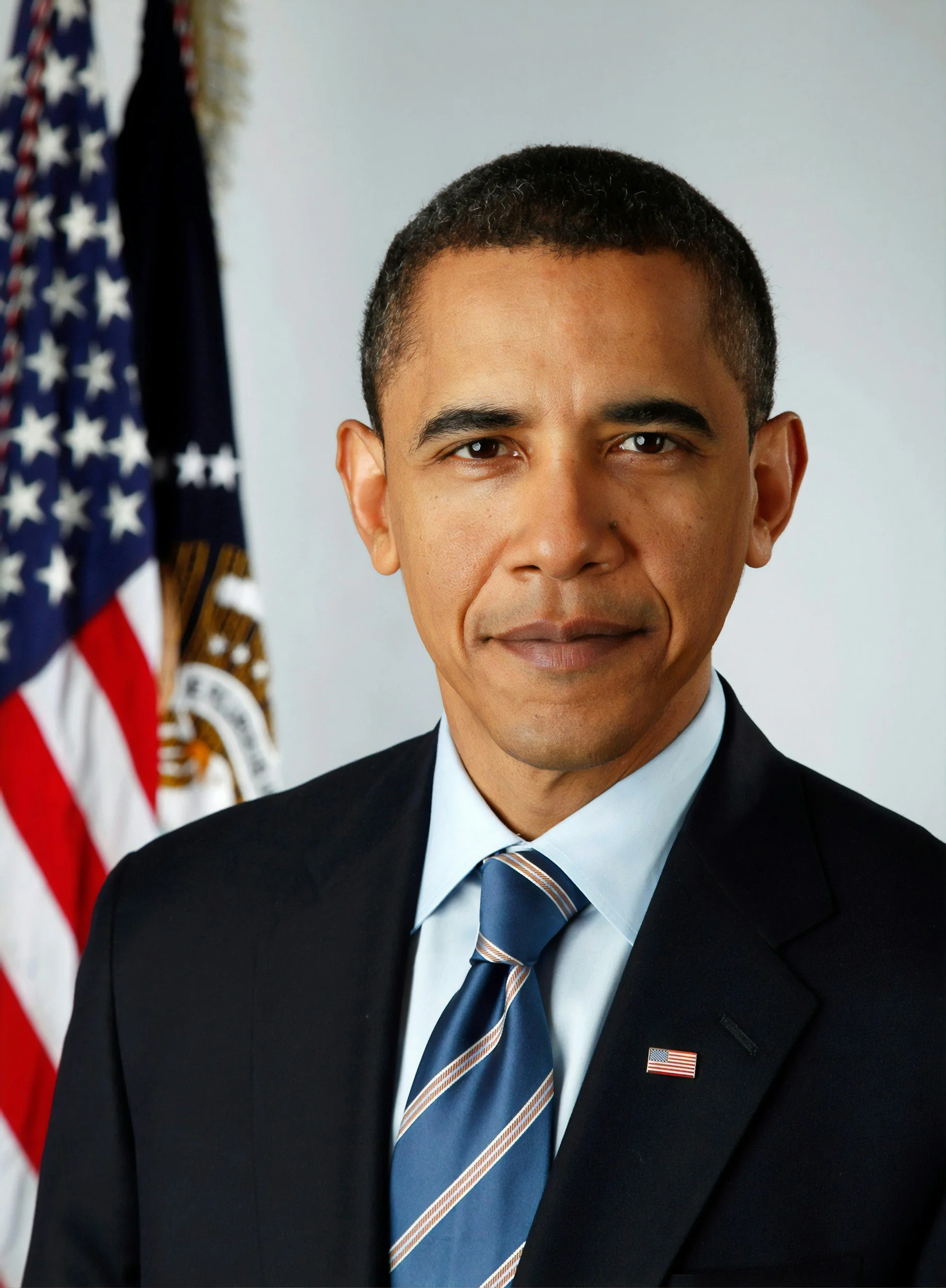
Extract 1: President Obama's Inaugural Address, calling for 'a new era of responsibility'
This extract is from President Obama's inauguration speech, the first speech he gave after becoming President.
Forty-four Americans have now taken the presidential oath. The words have been spoken during rising tides of prosperity and the still waters of peace. Yet, every so often the oath is taken amidst gathering clouds and raging storms.
At these moments, America has carried on not simply because of the skill or vision of those in high office, but because We the People have remained faithful to the ideals of our forebears, and true to our founding documents. So it has been. So it must be with this generation of Americans.
That we are in the midst of crisis is now well understood. Our nation is at war, against a far-reaching network of violence and hatred. Our economy is badly weakened, a consequence of greed and irresponsibility on the part of some, but also our collective failure to make hard choices and prepare the nation for a new age. Homes have been lost; jobs shed; businesses shuttered. Our healthcare is too costly; our schools fail too many; and each day brings further evidence that the ways we use energy strengthen our adversaries and threaten our planet.
Formal: Forty-four Americans have now taken the presidential oath.
Informal: Forty-four people have now become President.
Formal: The words have been spoken during rising tides of prosperity and the still waters of peace.
Informal: The oath has been said in good times, when the country was doing well and life was peaceful.
Formal: Yet, every so often the oath is taken amidst gathering clouds and raging storms.
Informal: But sometimes it’s said during really tough or dangerous times.
Formal: America has carried on not simply because of the skill or vision of those in high office, but because We the People have remained faithful to the ideals of our forebears, and true to our founding documents.
Informal: America has made it through not just because of the leaders, but because ordinary people stayed true to the country’s values.
Formal: That we are in the midst of crisis is now well understood.
Informal: Right now, everyone knows we’re facing a crisis.
Formal: Our nation is at war, against a far-reaching network of violence and hatred.
Informal: The country is at war with groups spreading violence and hate.
Formal: Our economy is badly weakened, a consequence of greed and irresponsibility on the part of some, but also our collective failure to make hard choices and prepare the nation for a new age.
Informal: The economy is struggling because of greed and poor choices, and we’ve all sometimes failed to plan ahead.
Formal: Homes have been lost; jobs shed; businesses shuttered.
Informal: People have lost their homes and jobs, and businesses have closed.
Formal: Our healthcare is too costly; our schools fail too many; and each day brings further evidence that the ways we use energy strengthen our adversaries and threaten our planet.
Informal: Healthcare is expensive, schools aren’t doing well enough, and the way we use energy is helping our enemies and harming the planet.

Humorous Tone
Revisit extract 2 from the Texts & Their Meaning Section.
Look for examples and effects of:
Simple sentences
Direct address
Casual expressions
Colloquial words
Exaggeration
Extract:
Updates are awful. All you want to do is watch TV and rot in your own filth. Instead you spend the evening backing up your phone, downloading a gigantic file and sitting around while your phone undergoes an intense psychological makeover, at the end of which it may or may not function. Often, it takes an hour or more. Fiddly, time-consuming admin – it’s like having to change the water in a fish tank. …it’s why I don’t have an aquarium. I’d rather let the fish die.
Article link - The Guardian
Text removed in Oxford Revise version but in original article = ‘I can’t be arsed:’

Write a response to extract 1, Obama’s speech.
Include:
How Obama presents the situation and himself
Obama’s point of view (e.g., attitudes, opinions, thoughts, feelings)
Evidence from the text
Analyse (with examples) the effects of formal language
Sample Response:
The speaker sets out to explain that America faces serious challenges without directly blaming anyone, while also presenting himself as a responsible and capable leader. He uses a formal tone and serious language to convey his attitude. For example, the opening sentence, ‘is now well understood,’ is impersonal, suggesting that everyone recognises the problems without specifying who exactly agrees, which avoids potential disagreement.
The formal style continues in the long, complex sentence starting with ‘Our economy ...’ and in phrases like ‘on the part of some,’ which point out issues without assigning blame.
By using the word ‘our,’ he highlights that he and all Americans share responsibility for these challenges.
The choice of formal language—‘the midst of crisis’ instead of ‘a mess’ and ‘adversaries’ rather than ‘enemies’—shows that he takes both the nation’s problems and his own leadership role very seriously.

Write a response to extract 2: Software Updates
Focus on:
The writer’s aim
The writer’s perspective and tone
How language conveys humour and expresses attitude
Sample response to extract 2:
The author wants to express his opinion in a humorous and engaging way. He starts with a short, blunt sentence that sets a stubborn tone. Using a direct second-person perspective, he assumes readers feel the same frustration, reinforced by the exaggerated phrase 'rot in your own filth'. The conversational style, with words like 'sitting around', 'fiddly', and 'admin', makes the piece feel personal and relatable. His negative wording shows he finds the software update irritating and pointless. By mixing informal language with playful exaggeration, the author turns a serious point into something entertaining and easy to read.

How to Convey Attitude & Perspective in Your Own Writing
Choose your:
Perspective
Tone
Desired effect
Decide how you will achieve this
Practice:
Task One: Imagine you are writing a complaint about something. What tone would you take?
(e.g., writing to the council about river pollution, writing to a company that clamped your car illegally, etc).
Task 2: Imagine that you have been asked to write an article for the school magazine calling for healthier food to be offered at school. What register would you choose?
Review
Make sure you can define/give examples of these key terms:
Attitude
Colloquial Language
Dialect
First-Person
Standard English
Non-Standard English
Perspective
Register
Second Person
Tone
Questions
A text written from a first-person viewpoint will use the pronouns 'I' and 'we'. True or false?
A text written from a third-person viewpoint uses the pronoun 'you'. True or false?
A text written from a second-person viewpoint speaks directly to the reader, using 'you'. True or false?
What is meant by the writer's attitude?
How would you describe the tone of this sentence: 'Go home; I'm not going to listen to another word you say.'
What is Standard English?
What is colloquial language?
What is dialect?
The register of your language will vary depending on who you are talking to and where. True or false?
Answers
True.
False. A text written from a third-person perspective uses pronouns like 'he', 'she', 'it', and 'they'.
True.
The writer's attitude is their thoughts and feelings about the topic they are writing about.
Possible answers include: assertive, aggressive, angry, decisive, determined, exasperated.
Standard English is formal English that follows grammar rules, is widely accepted, and is used in schools and official publications.
Colloquial language is conversational, casual, everyday language.
Dialect is a type of language spoken in a specific area rather than nationwide.
True.
Previous Topics
Questions
What types of time can be included in a story's setting?
What does the 'mood' of a text mean?
Answers
Setting can include historical periods, times of day or night, seasons, or special occasions and festivals.
Mood is the overall atmosphere of a text and the feelings it creates for the reader.
Reading Task
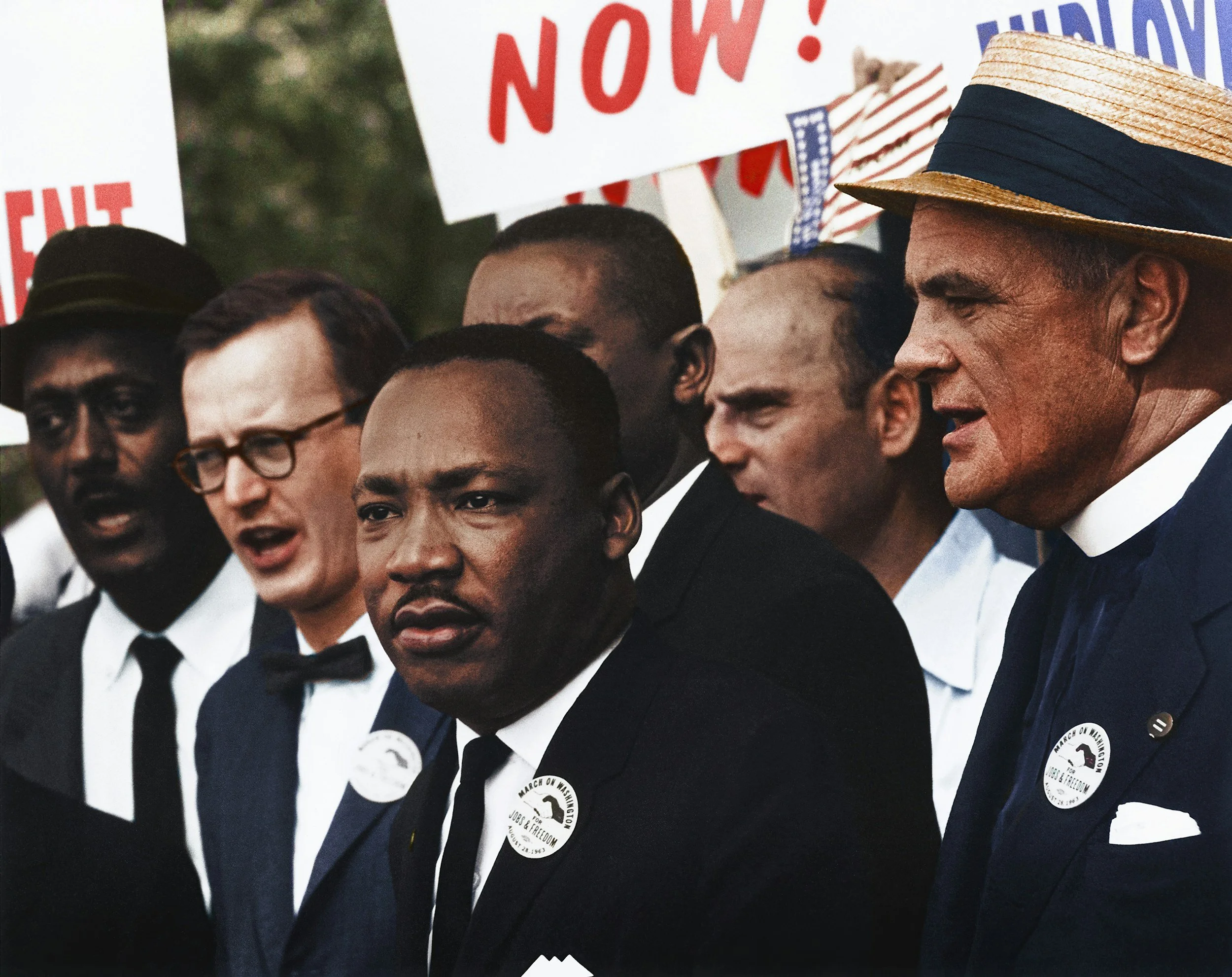
Reading Task – Exploring Viewpoint, Tone, and Mood in a Speech
Instructions: Choose a short speech or excerpt of a speech. Read it carefully, then answer the questions below.
You can find some speeches here:
https://highspark.co/famous-persuasive-speeches/
https://jamesclear.com/great-speeches
Questions:
What is the speaker’s viewpoint? Is it first-person, second-person, or third-person? Give examples of pronouns that show this.
What attitude does the speaker have towards the topic? How do you know?
Identify one example of formal or informal language. How does it affect the way the audience perceives the speaker?
What is the overall mood or atmosphere of the speech? Which words or phrases create this mood?
Pick one sentence and describe its tone. What feeling or impression does it give?
How does the speaker try to connect with the audience? (Think about direct address, questions, or shared experiences.)
Tip: You can apply this to any speech, whether it is political, motivational, or from a famous figure. Focus on how the speaker’s choices influence how the audience feels.
Writing Task
Writing Task – Exploring Viewpoint, Tone, and Mood
Scenario: You are writing a short story or personal account.
Choose a viewpoint: Decide whether you want your piece to be in first-person (‘I/we’), second-person (‘you’), or third-person (‘he/she/they’).
Set the scene: Include a clear setting. Think about:
Time (historical period, season, time of day, or special event)
Place (a room, a street, a park, a town, or even somewhere imaginary)
Create mood: Use descriptive language to convey how the reader should feel. For example: tense, cheerful, mysterious, sad, or exciting.
Show tone and register: Make sure your attitude to the story or topic comes through in your language. Decide if your writing is formal, informal, humorous, angry, sympathetic, or another tone.
Include a small scene or interaction: Show your character’s thoughts, speech, or actions.
Extra challenge: Try to write at least one sentence that shows contrast in tone or mood (e.g., a funny comment in a tense situation).
Aim: Focus on viewpoint, mood, and tone rather than a long plot. Your writing should show awareness of how the writer’s choices affect the reader.