The New Government Writing Framework Explained for Parents
What the New Government Writing Framework Means for Your Child
In July 2025, the Department for Education published a new writing framework. It highlights something many parents and teachers already know: learning to write is one of the hardest challenges pupils face at school. It isn't just about passing English exams; being able to express ideas clearly on the page is vital for accessing the entire academic curriculum.
If your child sometimes finds writing frustrating, they are certainly not alone. Understanding how the government suggests writing should be taught can be incredibly helpful for parents who want to support their children at home.
The 'Simple View' of Writing The new framework is built around the "Simple View of Writing," which divides the writing process into two main parts: transcription and composition.
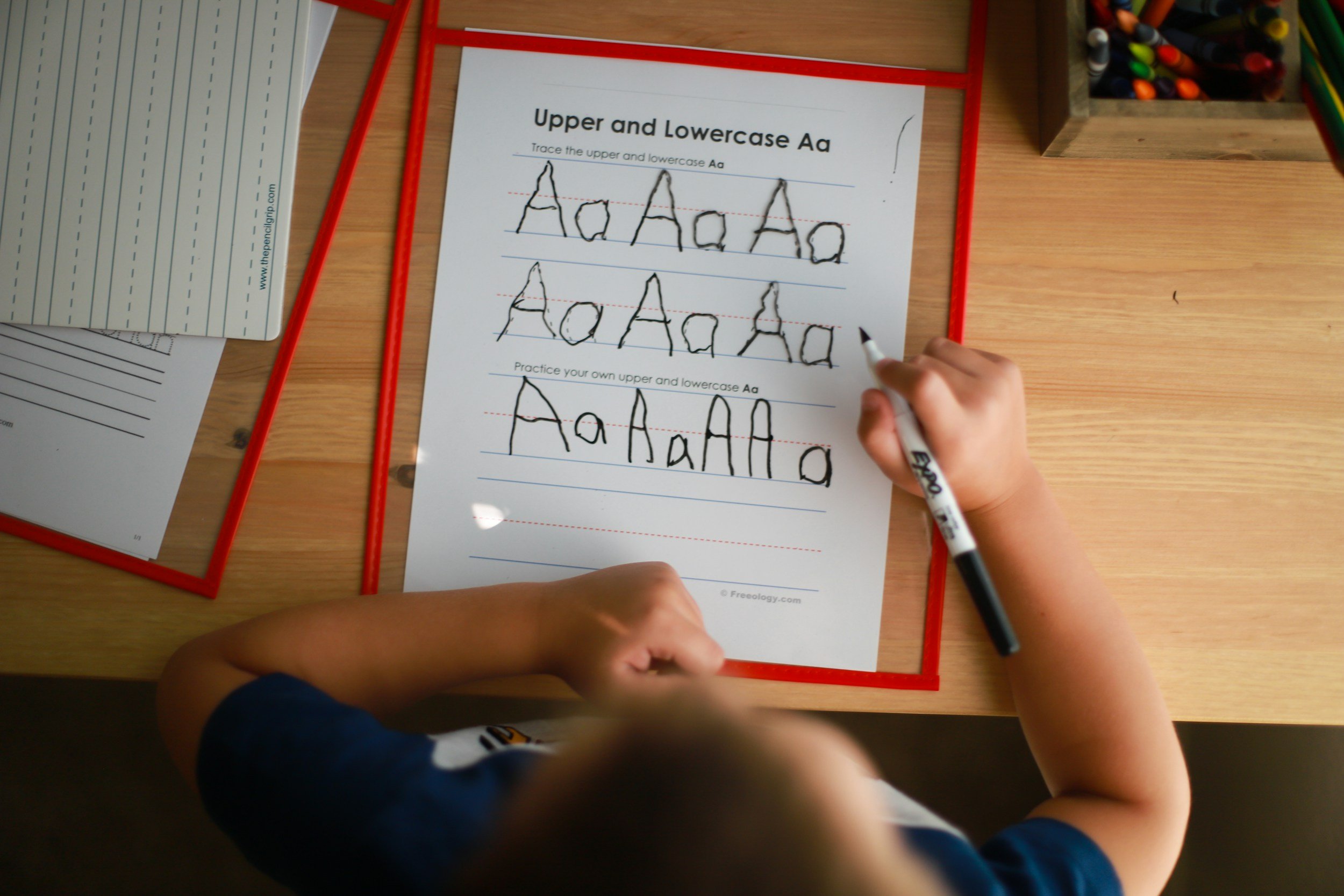
Transcription covers the physical act of handwriting and spelling. The framework explains that if a child is using all their mental energy just trying to figure out how to spell a word or hold a pen, their working memory becomes overloaded. This leaves them with very little cognitive capacity to actually think of great ideas or structure a story.
As a qualified teacher who has been in the classroom since 2011, I have seen this happen time and time again. I actually happen to love handwriting—I practise copperplate calligraphy with fountain pens in my spare time!—but I know what a physical hurdle it can be for young learners. Taking the time to build these mechanical skills is incredibly important so that students can eventually write fluently and automatically.
Sentences are the Engine of Writing Once the physical act of writing becomes more automatic, students can focus on composition. The framework stresses that sentence-level teaching is the absolute engine of writing.
Before worrying about churning out long, complex essays, students need to master the architecture of single sentences. Once they feel confident constructing a clear, grammatically correct sentence, building those sentences into cohesive paragraphs becomes a much more manageable and creative task.

Writing is a Messy Process One of the most reassuring takeaways from the framework is the reminder that writing is rarely a neat, linear task. It is a highly iterative process that involves planning, drafting, revising, editing, and sharing.
It is completely normal for a first draft to need work. Expecting a teenager to sit down and effortlessly produce a flawless piece of text without guided preparation often just leads to a blank page and a lot of anxiety. Instead, they need the time and structured support to generate ideas, draft paragraphs, and meticulously refine their work.
How Tailored Tutoring Can Help Whether you are educating your child at home or your teenager is preparing for their English Language and Literature exams, having the right structured support makes a huge difference.
While much of today's coursework (for iGCSE learners) is typed—meaning the physical hurdle of handwriting is removed—the core challenge of composing clear, sophisticated sentences remains exactly the same. Exams still rely on the ability to write quickly, neatly and without fatigue. To help students build these foundational and creative skills, working with a private tutor can be incredibly beneficial.
When we work together online, we use shared digital folders and collaborate on live documents. This allows me to model writing techniques in real-time, provide immediate, supportive feedback as your child drafts, and help them build a neat, easily accessible bank of materials.
Progress in writing is a gradual but highly rewarding journey. If you would like to discuss how we can build your child's writing skills and academic confidence, please view my tutoring page at gcseenglishtutor.co.uk for more information, or contact me directly to arrange a free consultation.
