Charles Dickens and Lancaster: Northern Connections Behind A Christmas Carol
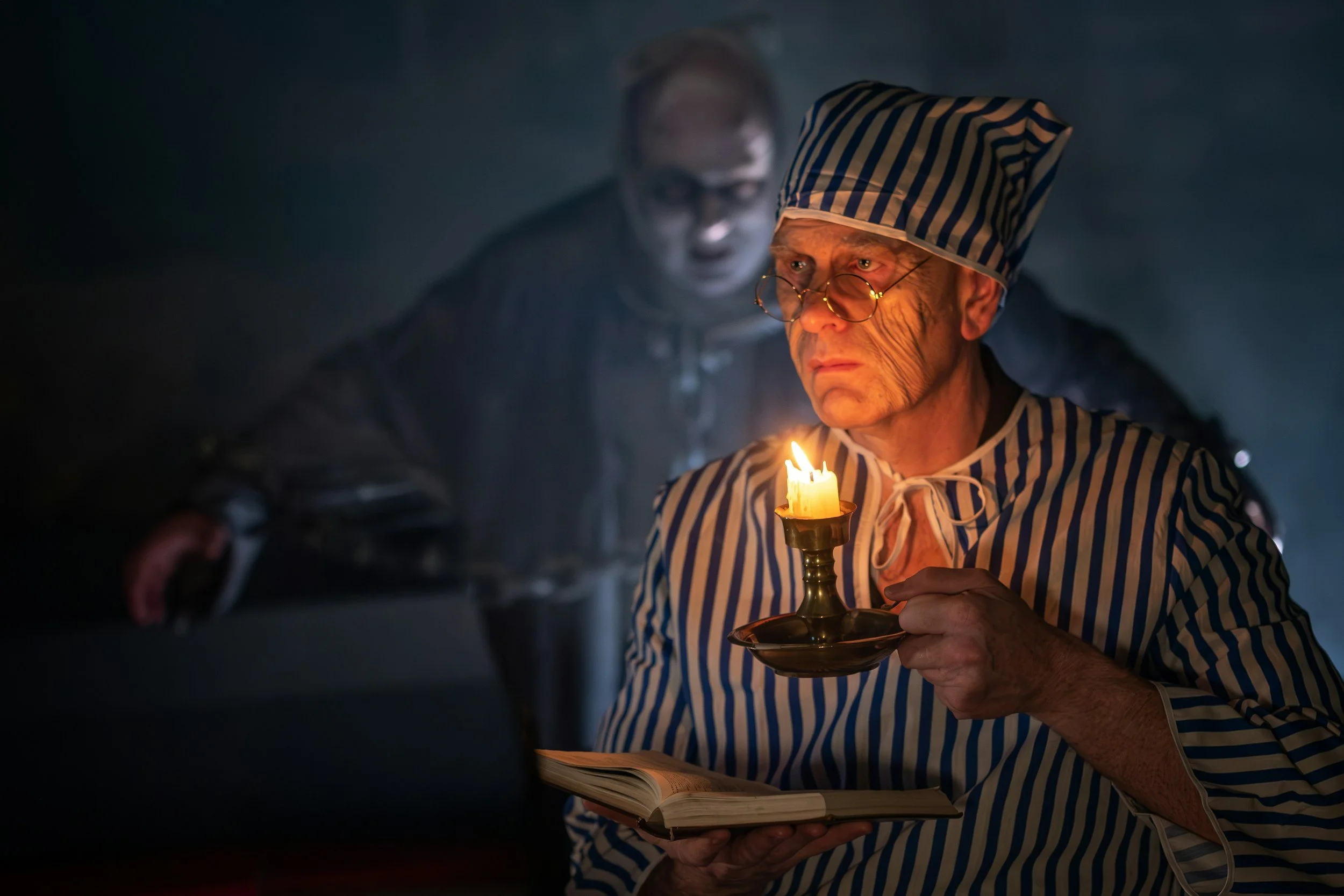
When people think of Charles Dickens, they usually picture London: fog, workhouses, crowded streets and rattling carriage wheels echoing through Victorian alleyways. Yet Dickens travelled constantly, and the North West left its mark on both his imagination and his social concerns.
For many readers today, their first encounter with Dickens comes through A Christmas Carol, which remains one of the most widely studied nineteenth-century texts on GCSE English Literature courses. It appears on specifications for exam boards including AQA, OCR and WJEC Eduqas. Students often approach Dickens expecting dense, distant Victorian prose, but once they begin noticing how visual, atmospheric and symbolic his writing is, the novella usually becomes far more engaging.
Lancaster may not appear directly in Dickens’s novels in the way that London or Kent do, but the wider region — Lancashire, industrial northern towns and the routes into the Lake District — formed part of the Victorian landscape through which Dickens moved and observed. For readers studying A Christmas Carol today, those northern connections can make the text feel surprisingly close to home.
Dickens in Lancaster
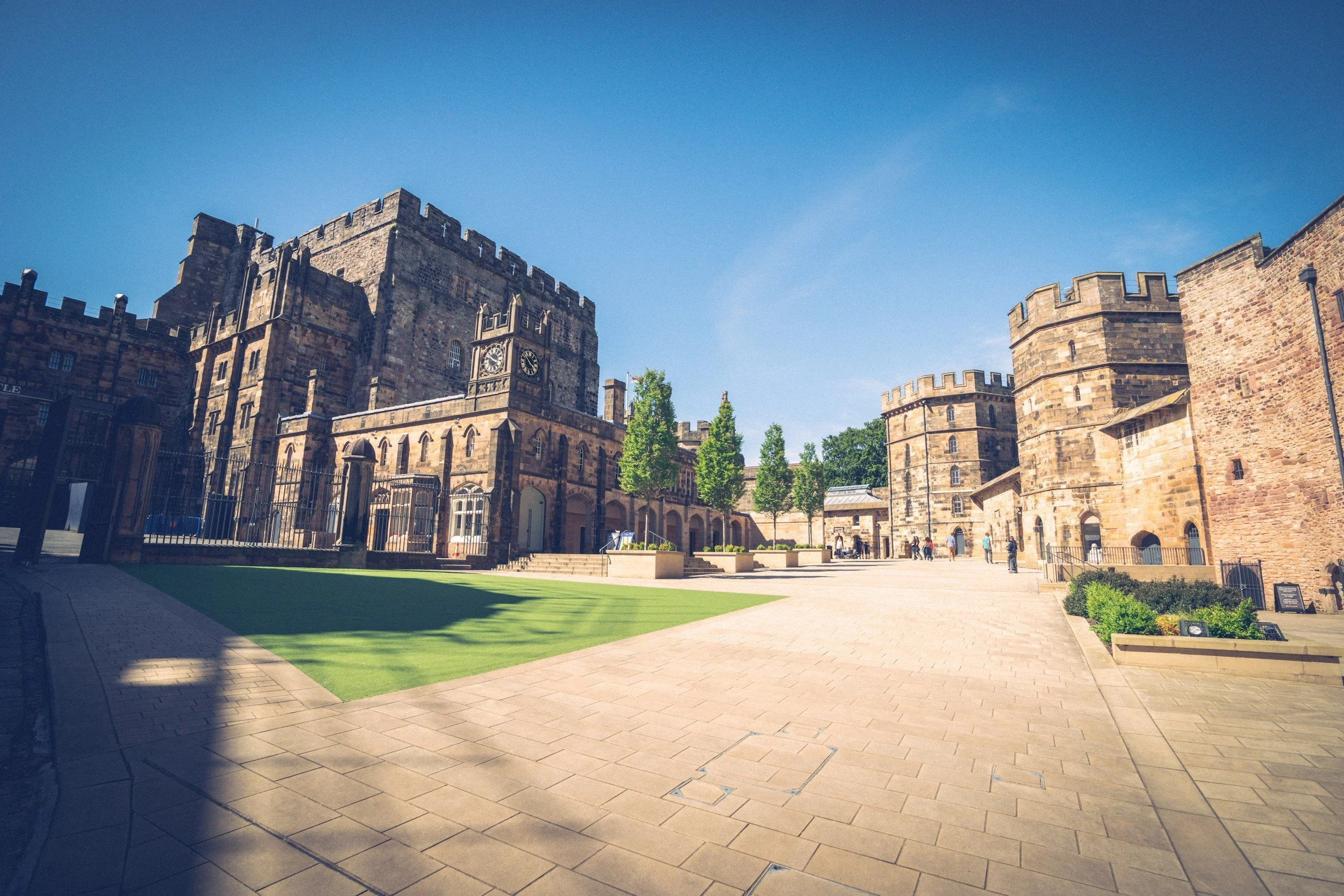
Dickens did visit Lancaster during his famous public reading tours. In April 1858, he gave readings at the Assembly Rooms in Lancaster as part of the enormously popular performances that occupied the later years of his career.
During his stay, Dickens is believed to have lodged at the old Royal Hotel near the town centre. At the time, Lancaster was an important regional destination connected by expanding railway routes, making it a practical stop on Dickens’s northern tours.
These readings were theatrical events rather than quiet literary evenings. Dickens performed scenes almost like an actor, using gestures, pacing and different voices for characters. Audiences reportedly found his performances intense and emotionally charged — particularly his readings from A Christmas Carol, which became some of his most celebrated live performances.
It is strange, and slightly surreal, to imagine Victorian audiences gathering in Lancaster to hear Dickens himself perform the story of Scrooge and Marley.
Dickens in the North
Dickens travelled extensively throughout Britain giving public readings and gathering material. Victorian writers often worked almost like journalists: observing people, recording speech patterns and collecting impressions from different regions.
The North fascinated Dickens because it represented both progress and inequality. Lancashire’s mills, factories and expanding industrial towns embodied Victorian ambition, but also the poverty and social division that Dickens repeatedly criticised.
Although Lancaster itself remained smaller and quieter than Manchester or Liverpool, it sat within a region experiencing enormous economic and social change. That atmosphere — the contrast between wealth and hardship, prosperity and neglect — runs through much of Dickens’s work.
It is difficult not to think of Ebenezer Scrooge while walking through old northern market towns in winter. Dickens’s descriptions of coldness are never merely physical. In A Christmas Carol, ice becomes emotional: isolation, selfishness and emotional withdrawal. Warmth, meanwhile, represents generosity and human connection.
Those ideas would have resonated strongly in Victorian Lancashire.
Why A Christmas Carol Endures
Published in 1843, A Christmas Carol was written during a period of anxiety about poverty, labour and social responsibility. Dickens had become increasingly disturbed by the conditions faced by the poor in industrial Britain.
What makes the novella remarkable is that it avoids becoming purely political. Dickens transforms social criticism into something strange, theatrical and deeply atmospheric. The ghosts are memorable not simply because they are supernatural, but because they force Scrooge — and the reader — to confront uncomfortable truths about memory, regret and human responsibility.
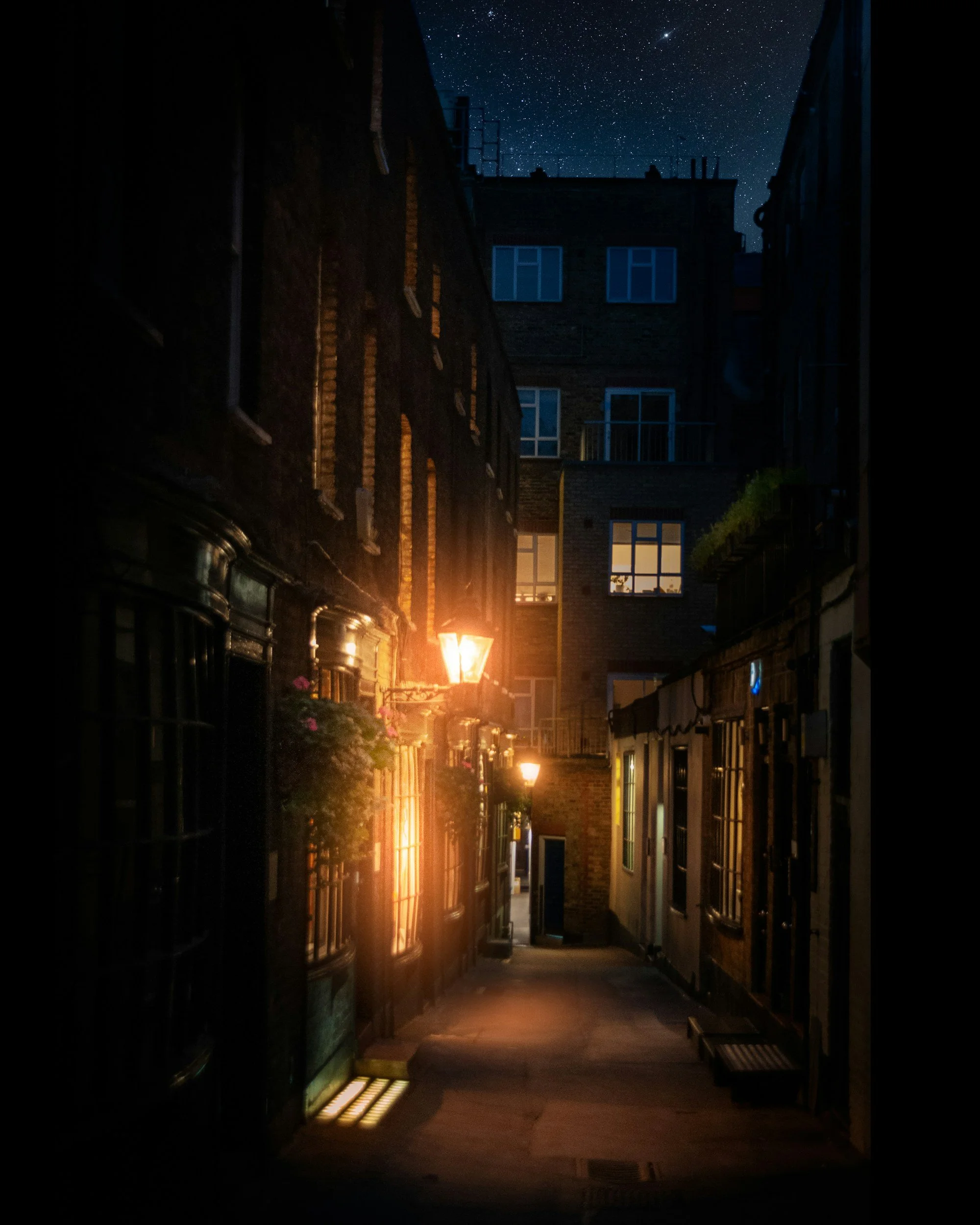
The book’s imagery still feels vivid:
the fog and darkness
the echoing footsteps
the counting-house
the frozen streets
the sudden bursts of warmth and light
Many students initially underestimate the novella because it is relatively short. In reality, Dickens layers social criticism, religious imagery, memory, supernatural elements and political ideas beneath what appears to be a simple Christmas ghost story.
Lancaster, Winter and the Dickensian Mood
There is something undeniably Dickensian about northern winter landscapes. Lancaster’s older streets, Georgian buildings and steep hills can still evoke the atmosphere of nineteenth-century Britain, especially in December when darkness arrives early and the weather turns sharp and damp.
The city’s long legal history also creates interesting connections with Dickens’s fiction. Dickens was fascinated by bureaucracy, institutions and systems that dehumanised people. Anyone studying Bleak House alongside the history of northern courts and civic institutions begins to notice how obsessed Dickens was with the machinery of Victorian society.
Even though A Christmas Carol is much shorter and more compact than his later novels, those same concerns remain present beneath the ghost story.

Dickens and the Lake District
Dickens’s relationship with the Lake District was complicated. Unlike the Romantic poets — particularly William Wordsworth — Dickens was not primarily interested in nature as spiritual transcendence. His attention usually returned to people, cities and social behaviour.
Still, the contrast between industrial Lancashire and the nearby Lake District reflects a wider Victorian tension between industrial progress and rural nostalgia.
Students sometimes separate literature too neatly into categories:
Dickens = cities
Romantic poets = nature
In reality, Victorian Britain constantly blurred those worlds together. Railways connected industrial towns to rural landscapes; tourism expanded rapidly; northern cities fed wealth into surrounding regions. Writers responded to all of this.
Reading Dickens Today
Part of Dickens’s endurance comes from his ability to balance moral seriousness with entertainment. A Christmas Carol is socially critical, but it is also funny, grotesque, sentimental and strange.
Modern readers often underestimate how theatrical Dickens was. Characters are exaggerated almost to the point of caricature, yet somehow remain emotionally convincing. Scrooge’s transformation works because Dickens understands something fundamental: people are haunted as much by memory and missed opportunities as by ghosts.
That idea still resonates, whether you are reading the novella in London, Lancaster or anywhere else.
And perhaps that is why Dickens continues to feel relevant in the North. Victorian Lancashire was a region shaped by rapid change, inequality, ambition and reinvention — precisely the forces that animate Dickens’s fiction.
